Cooler Canadian air to sweep into Midwest, expand into Northeast
A substantial outbreak of cooler air will overtake the Midwest late this week and extend into the Northeast next week, where it could last for several days.
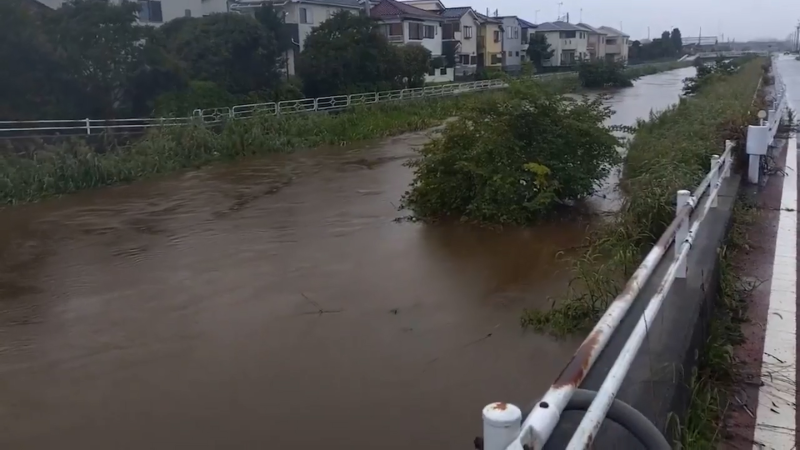
Lightning and rainfall scattered through Chicago on Monday night. Four to 7 inches of rain was reported in the hardest-hit areas of Chicago.
What may be the most substantial cool air outbreak since last spring is expected to sweep across the Midwest through Sunday.
A significant push of cool air from central Canada is forecast to reach the Midwest by this weekend and expand into the Northeast soon after, AccuWeather meteorologists say. At the peak of this outbreak, temperatures may resemble those typically experienced in late September or early October.
The cooler conditions will have many people opting for long sleeves or even a light jacket during the morning and evening hours.

Highs in the 80s F on Thursday will be replaced by highs in the 60s and 70s across much of the region. For example, Minneapolis is forecast to reach near 80 through Friday, but temperatures may struggle to reach 70 on Saturday and are projected to rise into only the middle 60s on Sunday. Overnight lows will dip into the 50s in the city and into the 40s across many suburban areas.
Closer to the Canadian border, highs may reach only the 50s for a day or two. Nighttime lows in locations away from larger lakes are forecast to fall into the 30s and lower 40s, with some spots approaching frost levels.
Much cooler air will sweep into Chicago and Detroit this weekend. By Monday, highs in both metro areas may struggle to reach 70 degrees, compared to historical averages in the lower 80s for this time in August.

Cooler conditions will also expand southward into the Plains. In Kansas City, Missouri, highs are forecast to remain in the 80s to near 90 through the end of this week before dropping into the 70s on Sunday and Monday.
Ahead of the cool push, warm and humid conditions will persist into Sunday across much of the region. Highs will reach the 80s along the Interstate 95 corridor and in the eastern Ohio Valley, while the Appalachian Mountains will have highs in the mid-70s to near 80 with elevated humidity.
Cooler air is forecast to sweep into the Northeast from Monday into Tuesday. Much of the region is likely to experience a temperature drop similar to the Midwest, with readings trending 10–15 degrees below the historical average for late August.
What may distinguish this cool outbreak from others this summer is the potential for a longer-lasting southward dip in the jet stream. Such a pattern is typically slow-moving and can result in multiple reinforcing waves of cool air over several days.
Cool conditions may persist across the Northeast and Great Lakes for a week or longer, aside from a brief warmup ahead of another cold front.
Highs and lows next week are forecast to average 10–15 degrees below the historical average for late August. In areas reaching the 80s this weekend, some locations may struggle to climb above 70 for several days next week.
In the higher elevations, daytime highs during the coolest stretch of the outbreak are expected to remain in the 60s, with a few locations potentially holding only in the 50s. If widespread clouds and showers persist on any given day, temperatures could trend another 5-10 degrees lower. Conditions will be conducive to set off a few waterspouts on the Great Lakes.
Cooler and less humid air will penetrate well into the Southeastern states as next week progresses.

Earlier this summer, sweeps of cool air passing over south-central Canada picked up smoke from ongoing wildfires and carried it into the Midwest and Northeast at times.
“The good news is that recent rainfall across parts of the wildfire source region has helped to temporarily ease smoke concerns,” AccuWeather Meteorologist Brandon Buckingham said. “However, where dry conditions persist farther south and east, the risk of wildfire activity could increase.”
Portions of the Great Lakes, Northeast and adjacent areas of Canada have recently turned very dry and may be more vulnerable to wildfire ignition.


Want next-level safety, ad-free? Unlock advanced, hyperlocal severe weather alerts when you subscribe to Premium+ on the AccuWeather app. AccuWeather Alerts™ are prompted by our expert meteorologists who monitor and analyze dangerous weather risks 24/7 to keep you and your family safer.
Report a Typo