Pineapple Express to bring new surge of major flooding amid ongoing Pacific Northwest recovery
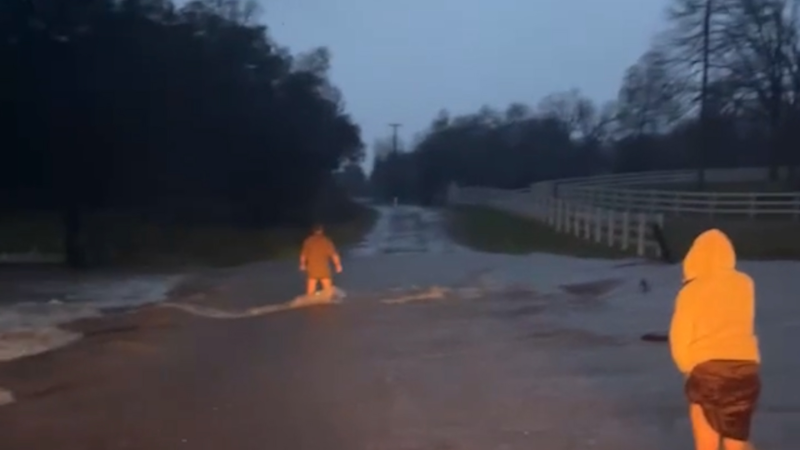
Following a very wet pattern last week, AccuWeather meteorologists warn that additional rain in the Northwest this week will heighten the risk of widespread flooding.
Amid other flood concerns across Washington due to a new atmospheric river moving in, evacuations are underway due to a levee failure in King County.
Back-to-back atmospheric rivers have doused the Pacific Northwest as of late, resulting in flash flooding, damaging mudslides and major river flooding. Some locations have already picked up over a month’s worth of rainfall within just a few days amid the active weather setup.
Although the region caught a brief break from the intense storminess this past weekend, conditions won't stay quiet for long. Another round of storms, including a specific type of atmospheric river known as the Pineapple Express, will affect the region for at least the first part of this week.

Pineapple Express to douse the Pacific Northwest into Wednesday
This conveyor belt of moisture originates near the Hawaiian Islands, which is how it earns its name, and will transport a relatively warm, humid stream of air toward the northwestern United States that will be capable of producing intense and long-lasting rainfall. Depending on how long these conditions persist, these events can deliver exceptionally high rainfall totals.
This particular event, which began on Sunday night, intensified on Monday and will continue through Wednesday morning, although there will be additional chances of rain and high-elevation snow later this week.

Rounds of rainfall will be funneled into western Washington and Oregon, as well as northwestern California into Wednesday. In the typically colder spots, rain can mix with snow at times, particularly overnight.
Snow levels began to fall Monday night, especially in Washington. "This can lead to accumulating snow as low as 3,000 feet, which includes Stevens Pass," noted AccuWeather Meteorologist Alex Duffus.
From Tuesday night into Wednesday morning, a cooler push of air will increase the chance of widespread accumulating snow across the region, including Snoqualmie Pass, Washington, along Interstate 90.

Another deluge of rainfall to heighten mudslide risk
Steady precipitation will target upslope areas and higher terrain, particularly the Olympic Mountains, the Coastal Range and the Cascades, where 2-4 inches of rain is expected. Terrain enhancement may boost totals even further on windward-facing slopes of the Olympics and the Washington Cascades, where amounts upwards of 4 inches are forecast, with an AccuWeather Local StormMax™ of 12 inches.

Additional rainfall moving into areas that already received several inches over the past week will only worsen ongoing issues. The risk of more mudslides will increase, especially as runoff intensifies through midweek.
Have the app? Unlock AccuWeather Alerts™ with Premium+
"Several inches of additional rain this week, on top of what fell last week, can lead to a renewed risk of major flooding, including on some rivers that crested in record territory," added Duffus.
River systems that flow out of the Cascades are relatively short and complex because of the variations in terrain.

"Expect multiple, rapid rounds of moderate to major flooding of the short-run rivers in the higher and intermediate elevations of the Cascades this week," AccuWeather Senior Meteorologist Alex Sosnowski said. "Flooding in the higher elevations can occur in a matter of a few hours. However, where these rivers reach lower, flatter terrain just above sea level, moderate to major flooding can be delayed and longer-lasting and perhaps up to a few days. Multiple crests are likely."
On Monday, King County emergency managers issued a "Go Now" evacuation alert for residents and businesses east of the Green River after a breach in the Desimone Levee.
"Leave immediately if you are in this area," the King County Office of Emergency Management said. "Conditions are dangerous, and access routes may be lost at any time. Go north or south of evacuated area away from flooding waters."
The levee breach prompted a Flash Flood Warning from the National Weather Service in Seattle through Tuesday morning.
Blustery winds on the way midweek
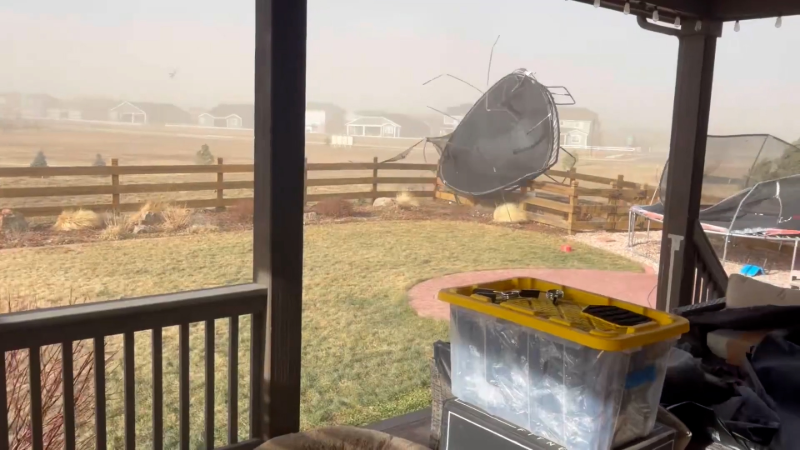
Intense winds will pick up across the Northwest states. Once a storm ushers in onshore late Tuesday, gusts will frequently reach 50-60 mph, forecasters warn. The AccuWeather Local StormMax™ wind gust through Tuesday night is 90 mph.

Farther inland, even blustier conditions will arise throughout the northern Rocky Mountains and surrounding terrain throughout Washington, Oregon, Idaho, Montana and Wyoming by midweek.
While the windiest conditions will center around the northern Rockies, the surrounding states from northern Nevada, Utah, Colorado and into the Front Range will also face the risk of damaging gusts around midweek.

Travel can be impacted with gusts upwards of 60 mph possible across interstates 25, 90 and 94, with an elevated crosswind hazard for high-profile vehicles. The AccuWeather Local StormMax™ for wind is 105 mph from Wednesday to Wednesday night.
Because of the saturated state of the ground, trees will be more prone to tipping over and taking power lines with them than if the soil were dry or merely a bit moist.

Additional storms expected late week
There will only be a minor break following the early-week storm activity before yet another feature crosses into the Pacific Northwest, packing additional rain and snow hazards.
Later this week, parts of Oregon can face the highest risk of additional flooding problems with notable rain expected from Portland to Medford. Travel impacts are anticipated along portions of Interstate 5 as a result, with inundated roadways, downed trees and landslides all on the list of hazards possible.

Given the preceding wet conditions and the substantial amount of additional rain expected throughout the week, there is a possibility for renewed flooding impacts to be catastrophic in nature in some locations.
"As the main focus of the atmospheric rivers shifts southward later this week, the potential for small stream and river flooding will increase substantially farther south in western Oregon, perhaps in the same manner as that of the Washington Cascades last week and again early this week," Sosnowski said.
Since the heaviest rain was focused on western Washington last week, flooding in Oregon was relatively minor, with the majority of incidents concentrated in the northwest part of the state.


Want next-level safety, ad-free? Unlock advanced, hyperlocal severe weather alerts when you subscribe to Premium+ on the AccuWeather app. AccuWeather Alerts™ are prompted by our expert meteorologists who monitor and analyze dangerous weather risks 24/7 to keep you and your family safer.
Report a Typo