Surviving flash floods: 5 life-saving tips if floodwaters are rising in your house
If water starts rising fast, every second counts. Here's how to stay safe during sudden flooding inside your home.
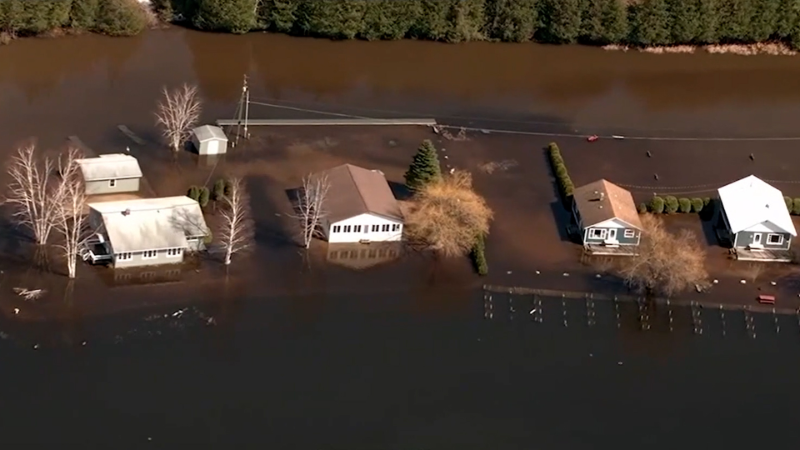
The Guadalupe River surged above its banks after torrential rain on the Fourth of July, causing intense flooding that killed multiple people and left 20 kids missing.
When flash flooding strikes, it can happen with terrifying speed. In Central Texas, the Guadalupe River surged more than 30 feet in just over an hour, washing away homes, camps, and families before dawn on July 4. If water starts rising inside your home, you may only have minutes to act.
As flash floods become more frequent and deadly, knowing what to do if water begins rising inside your home can mean the difference between survival and catastrophe.
Prepare before it happens
•Know if you live in a flood-prone area (Flash Flood Alley, low-lying zones, near rivers or creeks).
•Sign up for emergency alerts (AccuWeather app, NOAA Weather Radio).
•Prepare a "go bag" with documents, chargers, water, medicine, flashlights and a whistle.
•Store valuables and electronics higher off the ground.
•Practice exit routes with your family, especially if you have children or elderly members.
What to do if floodwaters are rising in your home

October 9, 2015 in Andrews, South Carolina. The state of South Carolina experienced record rainfall amounts causing severe flooding and officials expect the damage from the flooding waters to be in the billions of dollars. (Photo by Joe Raedle/Getty Images)
Staying safe at home is typically your safest move unless local officials have told you to evacuate or you have received an emergency alert, FEMA advises. When water starts rising fast, every second matters. Here’s a step-by-step guide to staying safe:
1. Get to higher ground immediately
Move to the highest livable level of your home, second story, upper bedroom, or the roof if needed.
Do not go into the attic unless it has a clear exit or ventilation. Attics can become deadly traps. As Hurricane Katrina floodwaters rose, many residents, particularly in New Orleans, retreated to their attics as a last resort. Some were unable to escape or were overcome by the rising water and its contents. While the majority of deaths were from drowning and other causes, a significant number of Katrina victims were found in attics after the floodwaters receded. Many died from drowning or from the heat and lack of oxygen.
Attics may have limited ventilation, making it difficult to breathe and potentially leading to heat exhaustion. Attics can also have structural weaknesses, and rising water can cause the roof to collapse.
Reality check: Some online advice recommends bringing an axe to the attic for escape. But many contractors and construction workers have noted that breaking through a modern roof is nearly impossible under flood conditions, especially in the dark, while panicked, and in some cases, standing on ceiling joists. Don’t rely on this plan.

Lower Ninth Ward residents stranded on the roofs wait for a rescue boats in New Orleans, Louisiana on August 29, 2005. (Photo credit: Getty Images)
If water reaches your top floor, go to the roof and make yourself visible. Wear bright clothing if you can or use a flashlight to signal for help. Keep a whistle handy. It can carry farther than your voice and alert rescuers to your location.
Avoid the basement at all costs. Rising water can trap you, and electricity can increase your risk of electrocution. If necessary, use furniture or mattresses to stay afloat.
2. Shut off utilities only if it’s safe
If you’re not already in water, turn off your home’s main power to avoid electrocution or electrical damage. Never touch electrical panels while standing in water. If accessible, also shut off natural gas and water lines.
3. Call 911 but conserve your phone battery
Rescue crews may be overwhelmed. Place your call if possible, then conserve power. Texting updates to loved ones may use less battery and bandwidth that making a phone call.

Matthew Koser looks for important papers and heirlooms inside his grandfather's house after it was flooded by heavy rains from Hurricane Harvey August 29, 2017 in the Bear Creek neighborhood of west Houston, Texas. (Photo by Erich Schlegel/Getty Images)
4. Don’t waste time on belongings
Grab only essentials already within reach: your phone, flashlight, ID, and medications. Do not delay escape to gather valuables. Seconds can save your life. You can always go back and look for important items after floodwaters recede.
5. Stay calm, stay together, stay alert
Keep your family or housemates together. Conserve energy. Signal for help only when you see or hear rescuers nearby. Don’t shout constantly, save your strength and voice.

A flood gauge marks the height of water flowing over a farm-to-market road near Kerrville, Texas, on Friday, July 4, 2025. (AP Photo/Eric Gay)
To find out if you live in a flood zone, you can check the FEMA Flood Map Service Center by entering your address. FEMA flood maps show the different flood zones and their associated risks. You can also check with your local government or insurance provider for more information
Flash floods can happen with little warning, and when water starts rising inside your home, there’s no time to second-guess. Staying calm, acting quickly, and knowing exactly what to do can make the difference between life and death.
Report a Typo