Go Back
  • For Business
  • |
  • Warnings
  • Data Suite
  • Forensics
  • Advertising
  • Superior Accuracy™
Weekend snow to spread from Midwest to big Northeast cities. Get the forecast. Chevron right
The ongoing Arctic blast is likely to be the coldest one so far this winter. See the forecast. Chevron right

Columbus, OH

20°F
Location Chevron down
Location News Videos
Use Current Location
Recent

Columbus

Ohio

20°
No results found.
Try searching for a city, zip code or point of interest.
settings
Columbus, OH Weather
Today WinterCast Local {stormName} Tracker Hourly Daily Radar MinuteCast® Monthly Air Quality Health & Activities

Around the Globe

Hurricane Tracker

Severe Weather

Radar & Maps

News

News & Features

Astronomy

Business

Climate

Health

Recreation

Sports

Travel

For Business

Warnings

Data Suite

Forensics

Advertising

Superior Accuracy™

Video

Winter Center

AccuWeather Early Hurricane Center Top Stories Trending Today Astronomy Heat Climate Health Recreation In Memoriam Case Studies Blogs & Webinars
2
Winter Storm Warning

News / Winter Weather

From blowing frozen bubbles to throwing boiling water: The science behind viral cold-weather experiments

By Monica Danielle, AccuWeather Managing Editor

Updated Feb 6, 2025 8:09 AM EST

Copied

These mesmerizing images show the captivating beauty of bubbles frozen solid becoming ice in real time. Captured by Don Komarechka, 32, each photo shows the soap bubbles at different points of freezing, with beautiful filters giving them a stunning glitter.

While the cold weather may deter many from going outside, others like to take advantage of the freezing temperatures and test out different science experiments.

From blowing frozen bubbles to throwing boiling water to tossing cracked eggs. Here's a look at fun experiments to try.

Frozen Bubble 1

(Thinkstock/iStock/raigna)

The boiling water trick

The boiling water trick is one of the more popular experiments featured on social media during cold weather. As experimenters throw steaming water, a white cloud is left behind.

"The boiling water starts off mostly in the liquid phase. However, since it's so hot and the water droplets are much smaller, it evaporates or transitions to water vapor faster than cool water, which is why this trick works better with boiling water," AccuWeather Senior Meteorologist Jason Nicholls said.

A couple of things occur when the boiling water is thrown into the air.

"First, the hot water is making water vapor through evaporation. Second, the water breaks into smaller globs of water as it passes through the air. Both the evaporation and the smaller blobs mean that the water will cool off quickly," Nicholls said.

On top of that, cold air can't hold much water vapor. Thus the water vapor doesn't stay in the air as it condenses out, giving you the cloud of ice crystals you see.

In order to achieve this white cloud, the air must be cold, as well as dry with very low relative humidity, ideally below 25 percent. The experiment works best at temperatures below zero F.

When conducting this experiment, safety is paramount. It is important not to throw the boiling water over your head or toward other people and pets.

"Also watch the wind direction, as any hot water that fails to instantly evaporate could land on you or someone else. It could be hot enough to cause burns," Nicholls said.

During a polar vortex event a few years ago, at least eight people in Illinois ended up in the hospital after their attempt at performing the boiling water trick went awry, the Chicago Sun-Times reported.

So it's a bit chilly in #Chicago Feel free to use, @accuweather @ABC7Chicago #polarvortex #deepfreeze #chicago #windchill #freezing #brrrr pic.twitter.com/7BjhuBI6y4

— jordanwilson04 (@jordanwilson04) January 30, 2019

The classic brutal sub-zero weather experiment at my Minneapolis home - boiling water freezes in seconds @wcco has the latest on this polar vortex plunge - stay warm and stay safe ! pic.twitter.com/gQJglgAG0f

— esme murphy (@esmemurphy) January 29, 2019

The frozen bubble experiment

Seemingly magical videos of frozen bubbles also routinely appear online demonstrating how a normally ethereal soap bubble hardens into a lacy globe when the temperature is right.

Bubbles are like a “water and soap sandwich,” with soap encasing a layer of water. In warmer weather, the air inside the bubble expands as it warms, popping the bubble before it gets far. But in cold weather, the water sandwiched inside the soap has a chance to freeze before the bubble pops.

As soon as you touch them, however, the heat from your fingers will melt the bubble.

This experiment can be tested with different solutions to create the longest-lasting bubbles. Many people add glycerin, which gives the bubbles strength, according to Scientific American.

Just another day in Northern Alberta playing around with frozen bubbles in the cold winter temperatures #travelalberta #yeg pic.twitter.com/XnKcgpFwCw

— Lea 🍁 Saint John NB Blogger (@LaPetiteWatson) February 2, 2019

Freezing bubbles this morning! #frozenbubbles pic.twitter.com/7OKanG2DPc

— Matt Standridge (@standridgewx) January 30, 2019

Freezing various items

Many experiments posted on social media during cold temperatures involve freezing various objects, ranging from eggs to wet clothes to even wet hair.

The egg trick, which often involves cracking an egg on a pan outside and waiting to see how long it takes to freeze solid, is one of the many experiments people test during icy conditions. Other social media go outside with wet hair and record it freezing atop their heads. Frozen clothes are also among fun items tested.

“Is Iowa really THAT cold?” pic.twitter.com/htxSZzy2QB

— Taylor Scallon (@taylor_scallon) January 31, 2019

How cold is it? @matthewkirkwood shows a Football Frenzy t-shirt FROZEN SOLID in minutes! #earlyclub #wmiwx #news8 pic.twitter.com/Qw7AHimBAc

— Terri DeBoer (@terrideboer) January 6, 2014

The balloon trick

The balloon trick is designed to show how the volume of a gas expands as it warms, and contracts as it cools.

To do this, blow up balloons in warm air, then expose them to cold air and they will deflate. Eventually they will reinflate when you return them to warm air.

Should we challenge our ⁦@KHS_Chiefs⁩ & ⁦@KempsAcademy⁩ staff to explain (or try!) a science experiment? ⁦@ms_teed⁩ ⁦@CaitlinStravino⁩ ⁦@KarenZahr⁩ ⁦@5bostonfans⁩ ⁦@QuicheRae⁩ ⁦@DrewMidgette⁩ ⁦@khssca⁩ https://t.co/AU9q35jGam

— Gabriel Hyde Wetmore (@Gabriel_Wetmore) February 2, 2019

Meanwhile, other social media users filled up balloons with water and food coloring. The balloon would then be left outside overnight in freezing temperatures in order to create beautiful sculpture-like art.

Helpful reminder that if you are experiencing super-cold temps, it's pretty important that you fill a balloon with water and food coloring and leave it outdoors overnight. pic.twitter.com/6tLfmG0sOL

— Eileen Webb (@webmeadow) January 30, 2019

Before venturing out to test an experiment, make sure to always dress appropriately for the conditions to limit the risk of frostbite or hypothermia.

Read more:

Dangerously cold air jolting central, eastern half of US
How to prevent frostbite at this first warning sign
'Lies my mother told me:' Debunking cold-weather myths
Report a Typo

Weather News

video

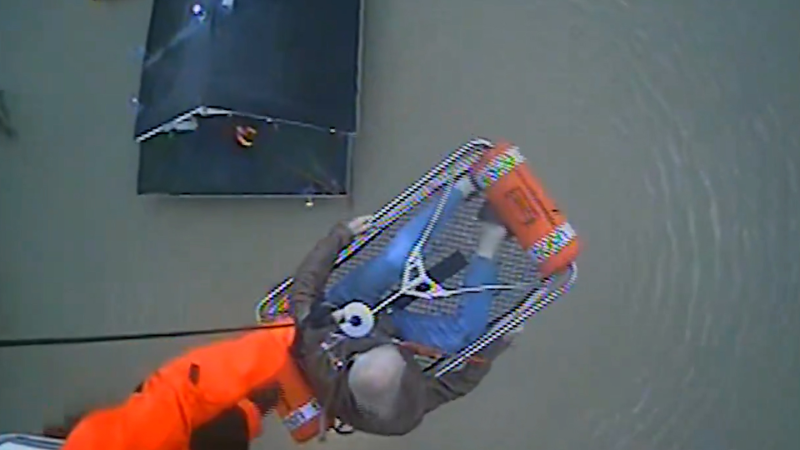
Coast Guard rescues four during historic flooding in Washington

Dec. 12, 2025
video

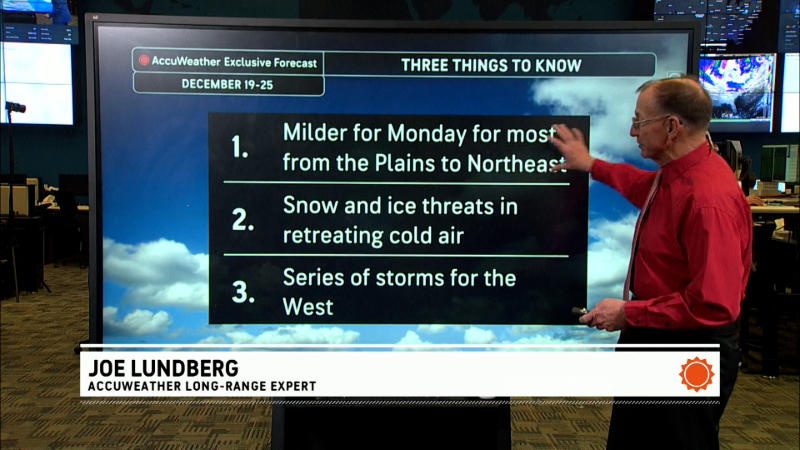
Looking ahead to next week

Dec. 12, 2025
video

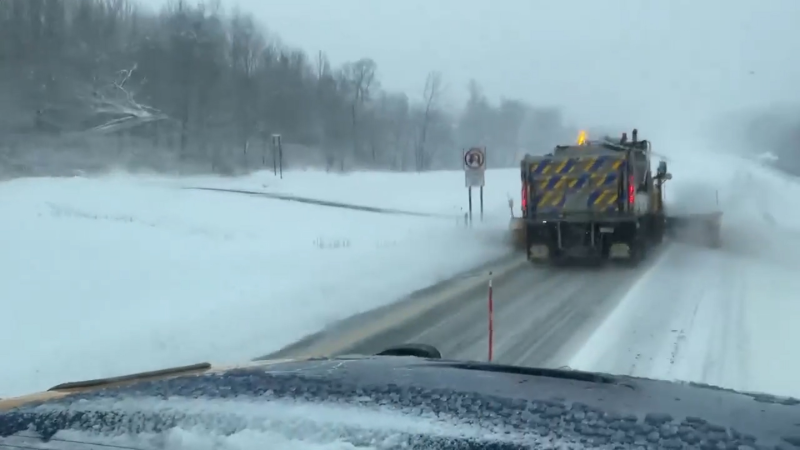
Clippers bring snow from the Midwest to the Northeast

Dec. 11, 2025
Show more Show less Chevron down

Topics

AccuWeather Early

Hurricane Center

Top Stories

Trending Today

Astronomy

Heat

Climate

Health

Recreation

In Memoriam

Case Studies

Blogs & Webinars

Top Stories

Winter Weather

Weekend snow to make roads slippery from Midwest to Northeast

6 hours ago

Weather News

Historic flooding grips Washington, putting entire towns underwater

1 day ago

Winter Weather

Break from the deep freeze: Central and Eastern U.S. to warm next week

8 hours ago

Weather Forecasts

Northwest US flooding storms take a break, but Pineapple Express looms

7 hours ago

Astronomy

Geminid meteor shower peak to dazzle this weekend

1 day ago

More Stories

Featured Stories

Recreation

Death Valley's ancient lake has returned after record rainfall

2 days ago

Recreation

Hiker rescued after getting trapped in Arches National Park

1 day ago

Climate

Underwater ‘storms’ are eating away at the Doomsday Glacier

3 days ago

Astronomy

Black hole’s feeding frenzy triggers longest cosmic explosion on recor...

3 days ago

Winter Weather

What’s the best direction for your house to face?

4 days ago

AccuWeather Winter Weather From blowing frozen bubbles to throwing boiling water: The science behind viral cold-weather experiments
Company
Proven Superior Accuracy™ About AccuWeather Digital Advertising Careers Press Contact Us
Products & Services
For Business For Partners For Advertising AccuWeather APIs AccuWeather Connect RealFeel® and RealFeel Shade™ Personal Weather Stations
Apps & Downloads
iPhone App Android App See all Apps & Downloads
Subscription Services
AccuWeather Premium AccuWeather Professional
More
AccuWeather Ready Business Health Hurricane Leisure and Recreation Severe Weather Space and Astronomy Sports Travel Weather News Winter Center
Company
Proven Superior Accuracy™ About AccuWeather Digital Advertising Careers Press Contact Us
Products & Services
For Business For Partners For Advertising AccuWeather APIs AccuWeather Connect RealFeel® and RealFeel Shade™ Personal Weather Stations
Apps & Downloads
iPhone App Android App See all Apps & Downloads
Subscription Services
AccuWeather Premium AccuWeather Professional
More
AccuWeather Ready Business Health Hurricane Leisure and Recreation Severe Weather Space and Astronomy Sports Travel Weather News Winter Center
© 2025 AccuWeather, Inc. "AccuWeather" and sun design are registered trademarks of AccuWeather, Inc. All Rights Reserved.
Terms of Use | Privacy Policy | Cookie Policy | About Your Privacy Do Not Sell or Share My Personal Information | Data Sources

...

...

...