Flash flooding sends black water and debris through Colorado wildfire burn scar
Residents who survived the Aspen Acres Fire watched ash, mud and debris sweep across roads during two days of flooding.
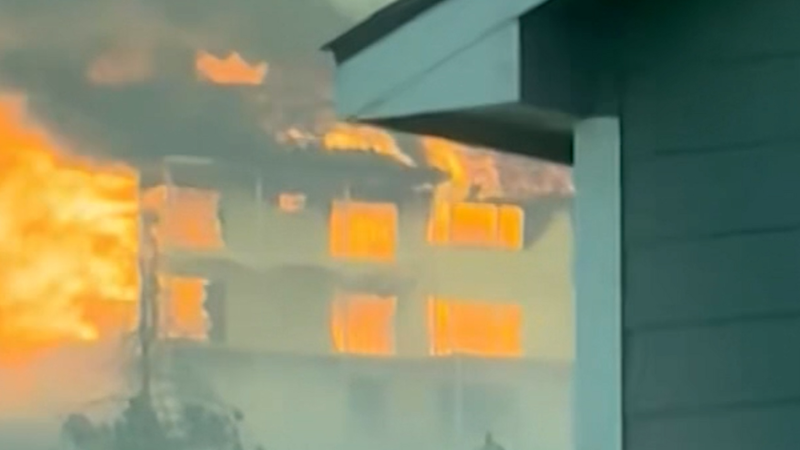
Heavy rainfall quickly transformed burn scar areas, left behind by wildfires, into extreme flash flooding, carrying ash and debris across many communities in Colorado on July 29-30.
Ash-filled floodwater carrying wildfire debris surged through Beulah for a second straight day Wednesday, prompting evacuations and closing roads across the Aspen Acres burn scar.
The Beulah Fire Protection and Ambulance District urged residents near Highway 78 to move to higher ground as floodwater advanced toward Central Avenue. The Pueblo County Sheriff’s Office reported mud and debris covering roads and warned drivers not to enter moving or standing water.

Flash flooding in Beulah, Colorado on Wednesday, July 29, 2026. (Photo credit: Pueblo County Sheriff's Office.)
“It almost looks like Pompeii out here with all this soot that’s now mud,” resident Kelly Howe told KRDO after Tuesday’s flooding. Howe, whose home sits next to a creek, watched ash-filled floodwater spill across nearby roads as runoff poured from hillsides burned by the Aspen Acres Fire.
Heavy rain returned Wednesday, triggering another flash flood emergency across northern and central portions of the burn scar, including Beulah, San Isabel and Wetmore. The flooding worsened existing fire-related closures on Colorado highways 165 and 78.

Flash flooding in Beulah, Colorado on Wednesday, July 29, 2026. (Photo credit: Pueblo County Sheriff's Office.)
Runoff carried burned trees, rocks, propane tanks and other debris downhill, according to the Colorado Springs Gazette. Images released by the Pueblo County Sheriff’s Office showed at least one vehicle caught in the flooding.
The Aspen Acres Fire has burned 101,921 acres west of Pueblo and was 66% contained Wednesday. Portions of the fire’s western edge remained uncontained.
Wildfire danger doesn't end when the flames die
The flooding shows how wildfire damage can create another threat when rain returns. Flames remove vegetation that normally absorbs rainfall, while intense heat can alter soil properties and make the ground less able to absorb water.

Flash flooding in Beulah, Colorado on Wednesday, July 29, 2026. (Photo credit: Pueblo County Sheriff's Office.)
“Soil becomes greatly modified following a wildfire and is comparable to pavement in terms of its repelling nature,” AccuWeather Meteorologist Alyssa Smithmyer said.
Instead of soaking into the ground, rain can flow rapidly downhill and collect ash, soil, rocks and burned vegetation. Fire officials compared the resulting debris flow to wet concrete because of its weight and ability to carry large objects.
“The force of the water is just unreal,” Sayra Bassett told The Denver Gazette while helping clean around her parents’ property near Northcreek Road. “Poor people up there just can’t catch a break.”

Flash flooding in Beulah, Colorado on Wednesday, July 29, 2026. (Photo credit: Pueblo County Sheriff's Office.)
The danger extended into southwestern Colorado, where intense flooding near the Gold Mountain burn scar forced evacuations between Ridgway and Ouray and closed sections of U.S. 550, The Denver Post reported. Crews were responding to at least eight mud and rockslides along Red Mountain Pass Thursday morning while officials warned residents near Ponderosa Village and Cutler Creek Drive to evacuate or move to higher ground.
Flash flooding swept across parts of Colorado on July 29 after summer monsoon thunderstorms dumped heavy rain on wildfire burn scars.
The threat has not fully passed. AccuWeather forecasts additional thunderstorms in the area late Thursday afternoon, with the potential for flash flooding and localized damaging wind gusts. Additional localized thunderstorms are possible Friday and Saturday, keeping recently burned slopes vulnerable to renewed runoff and debris flows.
Residents near burn scars should move immediately to higher ground when warned, avoid canyons and drainage channels and never drive through floodwater. Debris flows can arrive with little warning and travel beyond the area that burned.
Report a Typo