Comments



ABOUT THIS BLOG
Global climate change
Brett Anderson discusses and analyzes the latest research and commentary by experts with various points of view.

Columbus
Ohio
67°
Featured Stories
Hurricane
Eastern Pacific blasts past seasonal hurricane records, thanks to El N...
2 hours ago
Weather News
NC Highway 12 washed away for second time in a month by nor’easters
40 minutes ago
Astronomy
Mysterious object found in Minnesota may have fallen from space
1 hour ago
Climate
Could saving summer snow change the future of skiing?
2 days ago
Recreation
Rockslide kills bicyclist on popular trail at Ohiopyle State Park
1 day ago
...
...


Weather Blogs / Global climate change
High-elevation forests in the western US at greater risk for large fires
Updated Jun 21, 2021 3:25 PM EDT
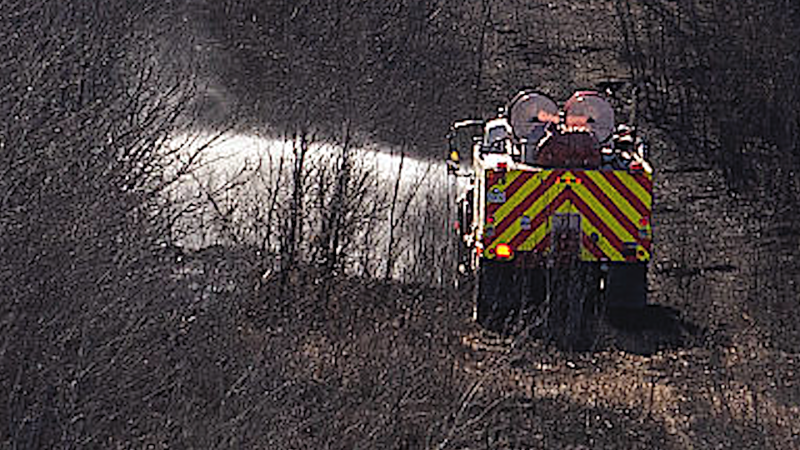
Climate change and resulting drought have diminished the high-elevation 'flammability barrier,' which is the point where the forest was too wet too regularly, mostly due to the presence of lingering snowpack.
Researchers from McGill University have found that fires are reaching higher up in the western United States mountains over the past few decades.
The research team studied large fires in the western U.S. between 1984-2017. They found that on average, fires advanced about 252 meters (827 feet) uphill over that 33-year period.
The greatest increases that were observed occurred at elevations above 2,500 meters (8,200 feet), according to the McGill Newsroom report.
The area burning above 2,500 meters more than tripled in 2001-2017 compared to 1984-2000.
These changes have now put an additional 11 percent of all western U.S. fires at risk and created new threats for high-elevation mountain communities.
Report a Typo