Hazardous air quality, wildfire risk to persist across the Northwest
Shifting winds will keep thick wildfire smoke away from Seattle and Portland, while poor air quality continues to create health risks farther inland.
Spokane County Sheriff John Nowels said in a recent press conference they have reduced the size of their level three evacuation zones. Local residents begin returning home after the devastating fires.
Thick smoke will pose greater health risks across eastern Washington, eastern Oregon and Idaho as fire activity remains high through this week. Residents along the Interstate 5 corridor, however, are in for a welcome break from the recent heat and poor air quality.
Widespread drought, periods of intense heat, gusty winds and sparks from both natural and human sources have fueled large, destructive fires across the western United States this summer, some of which have burned portions of major metro areas including Spokane, Washington.
As of Aug. 10, nearly 2.4 million acres are actively burning in Washington and Oregon, accounting for a significant share of the more than 6.3 million acres charred across the United States so far this year. Oregon accounts for most of the acreage in the two states.
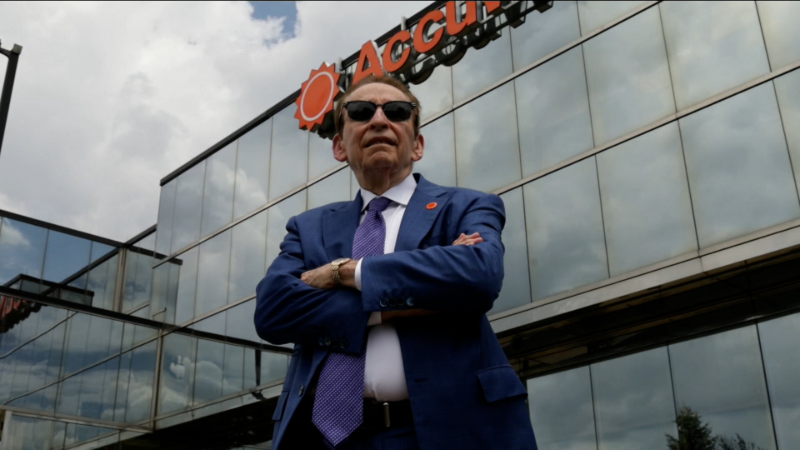
"Large wildfires in Washington and Oregon will continue to loft smoke into the atmosphere through this week," AccuWeather Meteorologist Kai Kerkow said.
Smoke to encase interior areas, lead to hazardous air quality
Areas near active fires or downstream of the dominant ground-level wind direction will experience thick smoke at the surface and poor air quality this week.
"In areas such as eastern Washington and Oregon, Idaho, Montana and Wyoming, air quality will continue to be hazardous, and the sky will remain hazy as smoke continues to get blown into these areas," Kerkow said.

Outdoor activity should be limited for people in areas with the poorest air quality. Even healthy individuals may experience respiratory problems, including difficulty breathing and throat irritation, with prolonged exposure to unhealthy air quality levels.
[More coverage: Check your local air quality]
Fortunately, for cities along the I-5 corridor such as Seattle and Portland, westerly winds will result in the smoke primarily being blown away from these areas, improving the air quality from what residents experienced for several days last week.
Smoke from the western U.S. will return to the Great Lakes and Northeast early this week, though it will be mainly higher up in the atmosphere and create a hazy look to the sky, according to AccuWeather Lead Long-Range Expert Paul Pastelok.
Have the app? Unlock AccuWeather Alerts™ with Premium+
Fire danger stays high even as worst of the heat shifts east
An area of high pressure that has anchored dry weather and heat across the West will gradually shift east and become centered over the Plains states this week. Temperatures will remain in the 80s, 90s and 100s across the West.

"Dry conditions and locally gusty winds at times will result in a very high wildfire risk across the Northwest this week, supporting continued wildfire growth and the potential for new wildfires to ignite," Kerkow said.

AccuWeather's long-range forecast team does not expect any significant relief from wildfire and smoke concerns in the coming weeks.
"Some rain is possible in northwestern Washington and British Columbia during the third week of August, but it will remain dry farther east," Pastelok said. "This can be a period where another surge of wind and dry thunderstorms arises east of the Cascades with new fire development."


Want next-level safety, ad-free? Unlock advanced, hyperlocal severe weather alerts when you subscribe to Premium+ on the AccuWeather app. AccuWeather Alerts™ are prompted by our expert meteorologists who monitor and analyze dangerous weather risks 24/7 to keep you and your family safer.
Report a Typo